Introduction
Have you ever been overwhelmed by baby wipes shelf? Various choices, including perfumed, textured, lotion-containing, “sensitive, “ultra-soft,” and more. Water wipes for babies are becoming a more popular, kinder option for parents who want to use as few chemicals on their baby’s skin as possible. We’ll go into great detail in this post about water wipes baby, including what they are, why many pediatric dermatologists recommend them, potential risks, and how to use them for everyday baby care.
Table of Contents
What Are Water Wipes baby ?
In its simplest configuration, a water wipe is a pre-moistened wipe made primarily (or nearly completely) of pure water, occasionally with a small quantity of plant extract or a natural preservative. Water wipes strive to maintain a very basic recipe, in contrast to traditional wipes that may contain scents, alcohols, surfactants, and numerous additional ingredients.
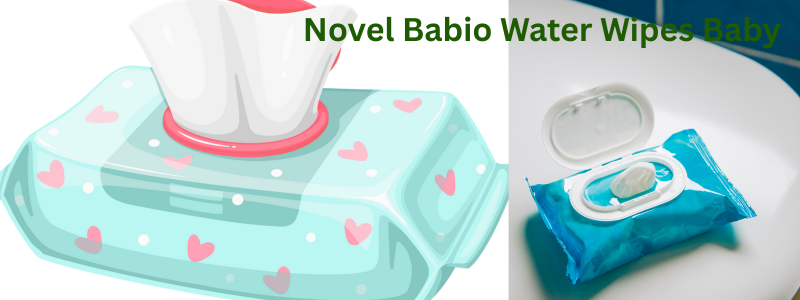
They are frequently promoted as being perfect for newborns, infants with sensitive or reactive skin (eczema, diaper rash), or parents who want to lessen the chemical load in their baby care regimen because they mainly depend on water.
The Science Behind Water Wipes baby
Compared to adults, babies’ skin is more elastic, thinner, and more fragile. It is essential to preserve the integrity of the skin layer and a healthy pH for the skin.
Baby wipes (with mild formulations) have been compared against cloth and water in a number of clinical studies. It’s interesting to note that modern baby wipes frequently worked just as well—if not better—than water and cloth by themselves at protecting the skin’s pH, lowering erythema (redness), and keeping the outermost layer of skin.
What’s the point of The Science Behind Water Wipes baby? These results often apply to well-formulated wipes (pH balanced, hypoallergenic, and free of harsh ingredients), but not to typical wipes with alcohol or perfumes.
Key Ingredients and Manufacturing
For water wipes to be safe and effective, a few things are important:
Highly purified water: Baby wipes are often treated, filtered, and sterilized. The water used in water wipes is not tap water, but rather, it is much more purified.
Minimal additives: Common additives include:
A mild preservative or natural extract, such as citrus fruit extract, vinegar, or pomegranate extract, is used to inhibit bacterial growth.
A buffering system is also used to maintain a pH level close to the skin’s natural acidity.
A humectant (such as glycerin) or a very mild skin-friendly agent is used to reduce friction. Glycerin’s function is to draw moisture from the air and lock in moisture to the skin.
Material: The wipe substrate can be viscose, bamboo, or regenerated cellulose—ideally biodegradable and plastic-free. Many water wipes are now labeled “plastic-free” or “plant-based.”
Hypoallergenic, fragrance-free, and alcohol-free: To reduce irritation.
For example, Water Wipes (a well-known brand) advertises that their wipes are made from 99.9% ultra-pure water + a drop of fruit extract and are fragrance-free, hypoallergenic, plastic-free, and dermatologist-tested.
Benefits of Using Water Wipes
1. Gentle on Sensitive, Newborn Skin
With fewer ingredients, Water Wipes are less likely to irritate or trigger reactions in babies with delicate skin, premature babies, or babies prone to eczema or diaper rash.
2. Reduced Chemical Exposure
Traditional wipes often contain many surfactants, fragrances, alcohol, parabens, phenoxyethanol, etc. Water Wipes remove most of these, reducing the “chemical load” on baby’s skin.
3. Hypoallergenic and Fragrance-Free
Many Water Wipes are free of common allergens and fragrances that can cause irritation in babies.
4. Moisturizing/Non-Drying
Since water is the main ingredient, there are no drying alcohols.
Combined with mild humectants, the wipes help retain hydration rather than remove moisture.
5. Versatility
Although formulated for cleaning the diaper area, baby wipes are safe to use on your baby’s hands, face, the crook of the neck, and for quick refreshment during travel.
Points to Consider and Potential Drawbacks
No solution is perfect. Here are some things to keep in mind:
Cost: Due to their purity and safety, WaterWipes cost more per wipe than regular wipes.
Durability: Some WaterWipes are very thin and can tear easily during cleaning.
Low cleaning ability for stubborn messes: Additional baby wipes may be needed to clean thick or sticky messes.
Disposal Concerns: Although some wipes are biodegradable, many are not flushable and can get stuck in drains or pipes, causing problems.
How to Choose the Right Water Wipe Brand
Here are some criteria to guide your decision:
Transparency and Testing
Brands that publish ingredient lists, safety reports, or third-party testing are more reliable. For example, Novel Babio water wipes baby.
Material/Biodegradability
Try to prioritize wipes made from viscose, bamboo, or cellulose over plastic.
Certification
Look for labels like Allergy UK, National Eczema Association, dermatologist-tested, etc. For example, Novel Babio water wipes baby boasts such approvals. In my experience, they are very good.
Packaging and Convenience
Novel Babio water wipes baby comes in a resealable pouch, making it easy to carry on the go. Large tubs—choose the one that suits your lifestyle.
Price and Availability
It costs 280 rupees for 6 packets. Compare the cost per wipe and check if it is stocked locally or in bulk.
Best Practices for Use
Seal Properly: Seal Novel Babio Baby Wipes properly after use to prevent them from drying out.
Gentle Wiping Technique: Wipe gently from front to back, do not rub.
Use multiple wipes if needed, but avoid overusing.
Spot clean first, if needed, then clean with a new wipe.
If the diaper or cream is wet, let the area dry before reapplying.
Combining water wipes with cloth or water
Some parents take a mixed approach: using cloth and warm water at home and water wipes baby when on the go or traveling, which are less expensive. This strategy balances purity, convenience, and budget.
Environmental and Disposal Aspects
If WaterWipes are made from plant-based fibers, they are biodegradable.
However, even “flushable” wipes often do not degrade quickly and can clog drains and pipelines or cause sewer blockages (so-called fatbergs).
Responsible Disposal: Do not throw them away in the open. Dispose of them in the trash, compost them whenever possible (unless used for diaper waste), or use biodegradable alternatives.
Safety Advice and Things to Be Aware of
Alcohol, strong perfumes, parabens, phenoxyethanol, and powerful surfactants should not be used in wipes.
When changing wipe brands, make careful to patch test just a small area of your baby’s skin.
Keep an eye out for symptoms of irritation, such as redness, burning, or rash.
Steer clear of dry or outdated wipes because moisture is necessary for them to work.
Budgeting Advice and Cost Comparison
Compared to regular wipes, water wipes baby might cost multiple times as much per wipe.
To control expenses:
Purchase multipacks or bulk packs.
Water wipes should only be used lightly (for sensitive regions or times).
Although they are not as convenient as disposable wipes, you can create your own wipes at home by soaking a cloth or cotton pad in clean water, ideally filtered.
Upcoming Developments and Trends
increasing demand for plant-based, 100% biodegradable water wipes.
Dual-textured surface innovations that can remove both light and heavy grime with a single wipe.
Regulatory Changes: To safeguard rivers, several nations have either enacted or are thinking about banning wet wipes that include plastic.
The Sun
More companies are able to release third-party lab data and complete ingredient disclosure.
Conclusion
When it comes to baby skin care, gentleness matters. Novel Babio baby water wipes—with their minimalist, clean, and discreet design—offer a robust option, especially for newborns with sensitive skin, or for parents who want to minimize chemical exposure. They’re not the answer to all these problems, and they do come with some compromises (price, durability, and disposal), but for many families, they’ve become a reliable item in the diaper bag.
1. Are water wipes good for newborns?
Yes—Kirkland baby wipes are excellent, and many wipes are gentle enough for newborns’ delicate and sensitive skin, often hypoallergenic, fragrance-free, and made with minimal ingredients.
2. Can water wipes completely replace regular baby wipes?
In many cases, these wipes can be used, but for very sticky or dry stains, you may sometimes need a stronger wipe or additional cleansing with rico baby wipes. Some parents choose a hybrid approach.
3. Are water wipes baby safe for sensitive/eczema-prone skin?
Generally, yes, as they prevent many common irritants. But always do a patch test before use and monitor your reaction.
4. Can I flush water wipes baby down the toilet?
No – even many wipes labeled “not flushable” can clog plumbing or sewers. It’s safer to throw them in the trash.
5. How long do opened packs of Water Wipes last?
Parents should remember that if properly sealed after opening, many packs can remain moist and usable for weeks. However, moisture can evaporate over time, so keep the package closed and in a cool place.