Introduction
As parents, we’re always searching for safe, healthy, and convenient options for our little ones. For decades, parents have relied on baby food jars as a dependable and convenient choice.. They’re compact, hygienic, and come in a variety of flavors and nutritional options. But with so many packaging choices available today—like pouches, tins, and homemade storage—it’s natural to wonder: are baby food jars still the best choice? Let’s explore all the important details you should know.
Table of Contents
What Are Baby Food Jars?
Why Parents Prefer Them
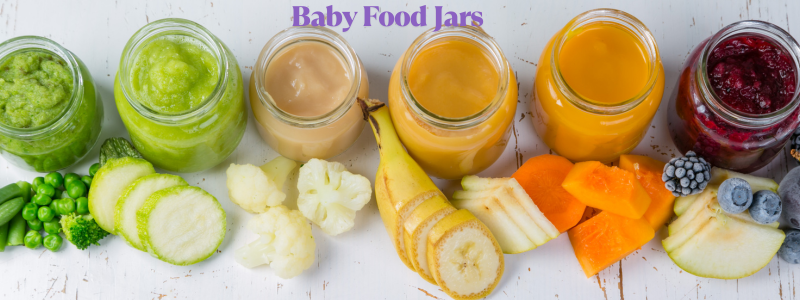
Baby food jars are small, sealed containers that store pureed fruits, vegetables, or complete meals for infants. Parents love them because they’re portion-controlled, easy to carry, and ready-to-use anytime.
History of Baby Food Packaging
Baby food jars have been around for decades, with brands like Gerber leading the way. Traditionally made of glass, they became the gold standard for baby nutrition before modern alternatives like squeezable pouches emerged.
Types of Baby Food Jars
Glass Baby Food Jars
Glass is non-toxic, eco-friendly, and preserves food flavor without contamination. Many safety-conscious parents prefer to go with glass jars.
Plastic Baby Food Jars
Lightweight and shatter-proof, plastic jars are travel-friendly but require careful selection to avoid BPA or harmful chemicals.
Reusable Baby Food Jars
Eco-conscious families often use silicone or stainless-steel containers to store homemade baby food, reducing waste and saving money.
Benefits of Using Baby Food Jars
Convenience for Parents
No time to cook? Just open a jar—feeding your baby doesn’t get easier than that.
Portability for Travel
Baby food jars slip easily into diaper bags, making them perfect for car rides or vacations.
Longer Shelf Life
Sealed jars preserve food freshness and nutrients, ensuring your baby gets safe meals every time.
Are Baby Food Jars Safe?
BPA-Free Concerns
Always check labels for “BPA-Free.” This ensures harmful plastics won’t leach into your baby’s food.
Glass vs. Plastic Safety
Glass jars are safer but heavier, while plastic jars are lighter but risk chemical exposure if not high quality.
Expiration Dates & Freshness
Never ignore expiration dates—expired food can cause digestive issues in infants.
Eco-Friendly Options
Reusable Glass Jars
Durable, washable, and perfect for long-term use.
Stainless Steel Alternatives
Excellent for storing homemade purees while being lightweight and toxin-free.
Compostable Packaging Innovations
Some modern brands are experimenting with biodegradable materials, cutting down on landfill waste.
Homemade Baby Food Storage in Jars
How to Prepare Baby Food at Home
Steam, puree, and portion into jars. Always cool before sealing.
Best Storage Practices
Mark each jar with the date it was prepared and consume it within 48 hours when kept in the refrigerator.
Freezing and Thawing Food Safely
Freeze purees in small batches. Thaw slowly in the refrigerator instead of microwaving.
Popular Baby Food Jar Brands
Gerber
An industry leader known for providing a broad selection of timeless flavors.
Heinz
Known for nutritious blends with no artificial preservatives.
Beech-Nut
Famous for natural, non-GMO baby food options.
Organic and Local Options
Today, a growing number of parents choose organic brands that focus on pure ingredients and eco-friendly packaging.
Cost Comparison: Jars vs. Pouches
Baby food jars are generally cheaper than pouches, though pouches offer easier self-feeding. For budget-conscious parents, jars are the smarter option.
Tips for Choosing the Right Baby Food Jar
Size and Portion Control
Smaller jars are great for first-time feeders, while larger ones work as your baby’s appetite grows.
Ingredients to Look Out For
Always check for hidden sugars, salts, or additives.
Packaging Labels Explained
Terms like “organic,” “non-GMO,” and “BPA-free” give you clues about product quality.
Creative Ways to Reuse Baby Food Jars
DIY Crafts and Storage Ideas
Turn jars into candle holders, spice containers, or mini vases.
Kitchen Organizers
Perfect for storing herbs, seeds, or snacks.
Baby Shower Decorations
Use jars to hold sweets or flowers and give them as party favors.
Common Mistakes Parents Make with Baby Food Jars
Overheating in Microwave
Be sure to mix the food well and check the temperature before serving, as uneven heating can harm your baby’s mouth.
Ignoring Expiration Dates
Expired jars can be risky; always rotate your stock.
Not Cleaning Properly Before Reuse
If you reuse jars, sterilize them properly to prevent bacteria buildup.
Expert Tips for New Parents
• Introduce one new food at a time to monitor allergies.
• Mix jarred food with homemade meals for variety.
• Stock a few jars for emergencies—it saves time and stress.
Baby Food Containers for Homemade Baby Food
When preparing meals for your little one at home, having the right jar of baby food makes a huge difference. These containers are specially designed to keep purees fresh, portioned, and safe for your baby. They come in different materials such as glass, BPA-free plastic, silicone, and even stainless steel.
Using proper containers helps you:
Store food in the fridge or freezer without worrying about contamination.
Portion meals easily, making feeding time stress-free.
Reheat food safely while preserving nutrients.
Whether you choose small jars, freezer trays with lids, or reusable pouches, investing in good-quality containers ensures your homemade baby food stays fresh and convenient for everyday use.
FAQs
1. Are baby food jars recyclable?
Yes, glass jars are fully recyclable, while plastic jars depend on local recycling facilities.
2. Can I freeze baby food in jars?
Yes, but leave space at the top to allow expansion during freezing.
3. Are homemade jars safer than store-bought?
Homemade jars give control over ingredients, but store-bought jars are sealed for long-lasting freshness.
4. How long can an opened baby food jar last?
Once opened, refrigerate and use within 24–48 hours.
5. Do baby food jars lose nutrients over time?
Minimal nutrient loss occurs, but most vitamins are preserved due to vacuum sealing.
6. Can I give my 4 month old baby jar food ?
It’s generally not recommended to give jars of baby food to a 4-month-old unless advised by your pediatrician. Most babies are ready for solids around 6 months, as their digestive systems and swallowing skills are more developed by then. At 4 months, breast milk or formula should still be the main source of nutrition. Seek your doctor’s guidance before beginning solid foods for your little one.
How much is a jar of baby food
The price of a jar of baby food usually ranges between $1 to $2 per jar in most stores, depending on the brand, size, and whether it’s organic or regular. Bulk packs or store brands may cost less, while premium or organic options can be slightly more expensive.
Conclusion
Baby food jars have stood the test of time for a reason—they’re safe, convenient, and affordable. Whether you’re a busy parent relying on trusted brands or someone who loves making homemade purees, jars offer the perfect storage solution. By understanding the options, safety concerns, and eco-friendly alternatives, you can make the best choice for your little one.
2 thoughts on “The Ultimate Guide to Baby Food Jars: Everything Parents Need to Know”