
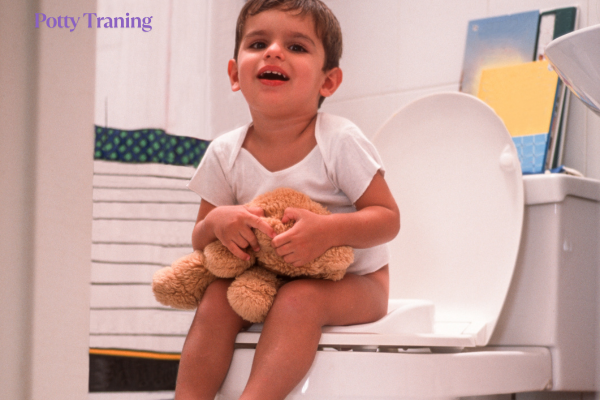
How to potty train a stubborn toddler
Potty training can feel like climbing a mountain, especially if you’re dealing with a stubborn toddler who refuses to cooperate. But don’t worry—you’re not alone! Many parents face this challenge, and with the right strategies, you can make potty training less stressful and even rewarding.
Table of Contents
Why Potty Training Feels Like a Battle
Potty training resistance is common. Some toddlers love independence but dislike being told what to do. Add to that the pressure from parents, and you’ve got a perfect recipe for toddler defiance.
Common myths parents believe:
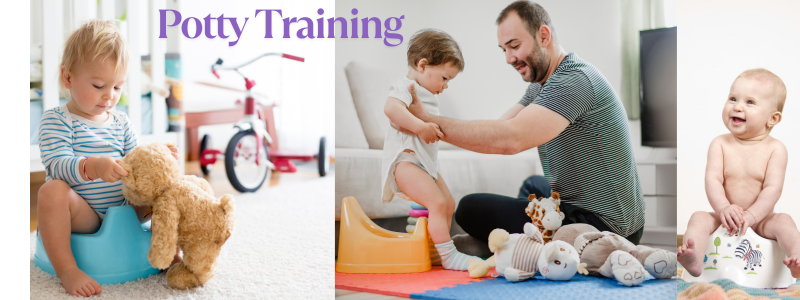
• “My child must be trained by age 2.”
• “Accidents mean failure.”
• “Stubbornness equals laziness.”
The truth? None of these are accurate. Potty training is a developmental milestone, not a race.
Signs Your Toddler is Ready
Before you start, check if your child is showing readiness signs:
• Stays dry for at least 2–3 hours
• Shows discomfort with dirty diapers
• Can follow simple instructions
• Begins showing interest in the toilet
If your toddler isn’t showing these cues, forcing potty training may only make things harder.
How to potty train a stubborn toddler 3 year old
To potty train a stubborn 3-year-old, stay patient, create a consistent routine, and use positive reinforcement like praise or stickers. Let them choose their potty seat, encourage independence, and avoid pressure. Celebrate small successes, handle accidents calmly, and keep the process fun and stress-free.
and also potty training stubborn boy.
How to potty train a stubborn toddler girl
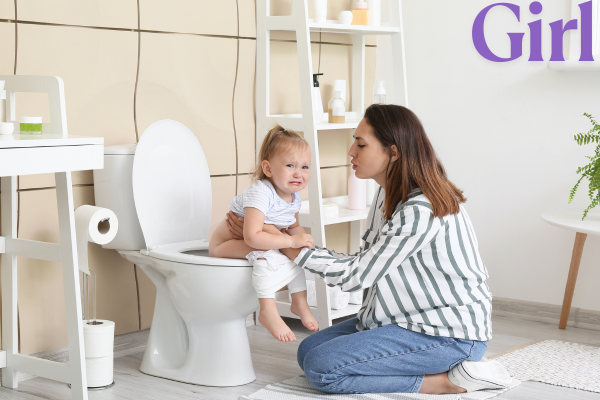
How To potty train a stubborn toddler girl, introduce the potty gently, let her pick fun underwear, and use positive reinforcement like praise or reward charts. Keep a consistent routine, read potty-themed books, and encourage independence. Stay calm with accidents, avoid pressure, and celebrate each small success to build confidence.
Toilet training methods
Here are some effective toilet training methods you can try with toddlers:
1. Child-Oriented Method – Start when your child shows readiness signs. Introduce the potty gradually, without pressure.
2. Scheduled Potty Training – Take your child to the potty at set times (e.g., after meals, before naps).
3. Three-Day Method – Focus intensively for three days, keeping your child in underwear, and encourage frequent potty trips.
4. Parent-Led Training – Parents decide potty times and guide the child consistently.
5. Reward System – Use praise, stickers, or small rewards to motivate your child.
6. Modeling Method – Let your child watch siblings or parents to learn by imitation.
7. Bare-Bottom Method – Let toddlers go without diapers at home, making them more aware of their body’s signals.
Tips for How to potty train a stubborn toddler boys
Here are some helpful tips for potty training boys:
1. Start with sitting – Begin potty training in a sitting position before moving to standing.
2. Use visual aids – Demonstrate or use potty-training books and videos.
3. Make it fun – Drop cereal pieces or targets in the toilet to encourage aiming.
4. Let him choose – Pick his own potty seat or underwear with favorite characters.
5. Set a routine – Encourage potty trips after meals, naps, and before bed.
6. Model behavior – Let him watch dad or older brothers for guidance.
7. Celebrate success – Offer praise, stickers, or small rewards.
8. Be patient – Accidents are normal; stay calm and consistent.
Potty trained toddler suddenly having accidents
It’s common for a potty-trained toddler to suddenly have accidents, and it doesn’t mean they’ve forgotten how to use the toilet. Regression can happen due to stress, big life changes (like a new sibling or starting preschool), illness, or even distractions during play.
What you can do:

Stay calm and avoid scolding.
Gently remind them to use the potty.
Re-establish a consistent potty routine.
Encourage with praise and small rewards.
Rule out constipation or urinary issues if accidents persist.
Most regressions are temporary and improve with patience, consistency, and reassurance.
What age should a toddler be potty trained
Most toddlers are ready for potty training between 18 months and 3 years old, but the average age for being fully trained is around 2½ to 3 years. Some children may take longer, especially boys, who often train a little later than girls.
The key isn’t age but readiness signs, such as:
Staying dry for 2–3 hours
Showing interest in the potty
Following simple instructions
Disliking dirty diapers
Every child develops at their own pace, so patience and consistency matter more than age.
Why Some Toddlers Are More Stubborn Than Others
Every toddler has a unique personality. Some love to please, while others enjoy testing boundaries. Stubborn toddlers usually want control over their bodies and routines. Developmental differences also play a role—some kids just take longer to master new skills.
The Right Time to Start Potty Training
Timing matters. Avoid starting during stressful life changes like moving houses or welcoming a new sibling. The best time is when both you and your child are calm, consistent, and ready for the process.
Creating a Positive Potty Training Environment
Make potty training exciting, not scary. A few tips:
• Let your child pick their own potty seat.
• Decorate the bathroom with fun stickers.
• Keep books or toys nearby to make potty time enjoyable.
Setting Realistic Expectations
No child masters potty training overnight. Remind yourself:
• Some kids train in weeks, others in months.
• Accidents are part of the journey.
• Progress, not perfection, is the goal.
Step-by-Step Potty Training Plan
Step 1: Introduce the potty
Let your toddler explore it without pressure.
Step 2: Establish a routine
Encourage potty time after meals, before naps, and before bedtime.
Step 3: Encourage imitation
Children learn by watching. Let them see older siblings or parents using the toilet.
Step 4: Practice patience
If they refuse, don’t force it—just try again later.
Step 5: Celebrate small wins
Every successful attempt deserves recognition!
Using Rewards and Praise Effectively
Toddlers thrive on encouragement. Sticker charts, applause, or small treats can work wonders. But avoid over-rewarding—make the goal about learning, not just earning.
Dealing with Setbacks Calmly
Regression is natural. Instead of frustration, offer reassurance:
“Oops, accidents happen. Let’s try again next time.”
This keeps potty training positive, not stressful.
Potty Training During the Day vs. Night
Daytime control usually comes first. Nighttime training may take months longer because bladder control develops slowly during sleep. Use waterproof sheets and be patient.
Handling Public Places and Travel
Trips can throw off progress. Pack a portable potty, wipes, and extra clothes. Familiar routines help toddlers stay consistent, even outside the home.
What NOT to Do During Potty Training
• Don’t punish accidents. It creates fear.
• Don’t compare. Every child learns at their own pace.
• Don’t pressure. Pressure fuels stubbornness.
When to Seek Professional Help
If your child is over 4 and still refusing, or if potty training creates intense anxiety, consult your pediatrician. Sometimes medical issues like constipation play a role.
Best toddler underwear for potty training
When choosing the best toddler underwear for potty training, comfort, absorbency, and fun designs matter most. Here are some top options:
1. Training Underwear (Thicker Cotton) – Absorbs small accidents while letting toddlers feel wetness.
2. Waterproof Training Pants – Cotton with a waterproof layer to protect furniture and floors.
3. Character Underwear – With favorite cartoon prints to motivate kids to stay dry.
4. Organic Cotton Underwear – Gentle on sensitive skin, breathable, and eco-friendly.
5. Pull-Up Style Training Pants – Easy for toddlers to pull up and down independently.
Tip: Buy several pairs because accidents are frequent in the early days. Fun designs can encourage your toddler to “keep their favorite undies clean.”
How long to potty train a toddler
Here’s your rewritten version in bullet points:
Potty training a toddler usually takes around three to six months, but every child is different.
Girls often achieve success a little earlier than boys.
Starting at the right time can sometimes make the process shorter.
Key readiness signs include staying dry for two hours, interest in the toilet, and telling when they need to go.
Patience, consistency, and positive encouragement are vital for success.
Simple methods to help how to potty train a stubborn toddler
Simple methods to help how to potty train a stubborn toddler include patience, routine, rewards, and encouragement daily.
Conclusion: Patience Pays Off
Potty training a stubborn toddler is a journey of patience, consistency, and positivity. Remember, your child won’t be in diapers forever. Celebrate the little wins, stay calm during setbacks, and trust the process—you’ve got this!
FAQs
1. What age is too late to potty train?
Most kids train between 2–4 years old. After 4, consult a pediatrician if there’s no progress.
2. How do I potty train if my toddler refuses?
Take breaks, keep it stress-free, and try again later. Forcing won’t help.
3. Should I use pull-ups during training?
Yes, they can help with the transition, but don’t rely on them long-term
4. How long does potty training usually take?
It varies—some kids train in a few weeks, others need several months
5. Can stubborn toddlers still potty train successfully?
Absolutely! With patience, consistency, and encouragement, even the most strong-willed child will get there.
6. How do I know if my child is ready for potty training? or how to potty train a stubborn toddler ?
Preparation is extremely important, especially for strong-willed children.
Staying wet for at least two hours
Showing interest in the toilet or wearing underwear
Letting them know when they need to go
Following simple instruction
Putting pants up and down independently
7. What if my child is afraid to poop on the potty?
How to potty train a stubborn toddler then?
Fear of pooping on the potty is common. To help:
Make sure your child doesn’t get constipated by feeding him a fibre-rich diet.
Encourage him to sit on the potty after a meal when he’s most likely to want to.
Use books or songs to make the experience more fun.
Celebrate successes, no matter how small.
1 thought on “How to potty train a stubborn toddler (5+Secret Tips )”