

Introduction (Expanded)
Have you ever noticed your child glued to the screen, ignoring calls to dinner, homework, or even bedtime? You’re not alone. Millions of parents worldwide are facing the same challenge: Cell phone addiction in children. What started as a tool for learning and communication has turned into an irresistible source of entertainment, leaving kids spending hours scrolling, gaming, and chatting online.
Table of Contents
But here’s the thing—phones themselves aren’t the enemy. The real issue is how they’re used and the psychological traps built into apps and games that keep children hooked. Let’s break down this modern problem and explore effective solutions.
What Is Cell Phone Addiction? (Expanded)
Cell Phone Addiction in Children, also known as nomophobia (fear of being without a phone), is more than just “using a phone too much.” It’s when a child feels restless, anxious, or irritable without their device.
For example:
• A 10-year-old refusing to go to bed without finishing “just one more level.”
• A teen constantly checking notifications during family dinner.
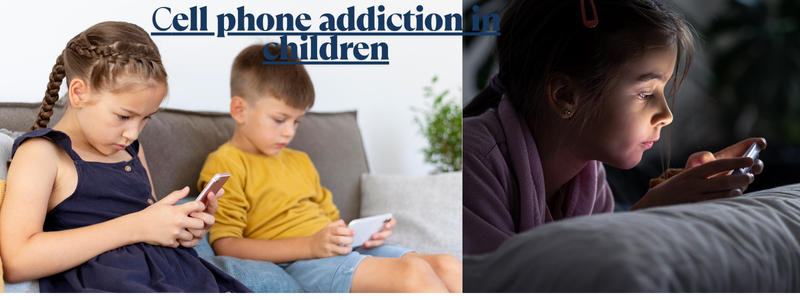
These small behaviors may seem harmless at first but gradually turn into dependency, interfering with real-life responsibilities.
Why Children Are More Vulnerable to Mobile Addiction (Expanded)
Children and teens are still developing critical thinking and self-control. Unlike adults, they find it harder to resist instant rewards like likes, comments, or game bonuses.
Think about it this way: If a child eats candy, the sugar rush keeps them coming back for more. Similarly, every notification, like, or gaming victory is like digital “candy” for their brain. That’s why mobile apps are so addictive for young minds.
Signs and Symptoms of Cell Phone Addiction in Children (Expanded)
Parents should look out for these warning signs:
• Behavioral changes: Skipping meals, ignoring conversations, or lying about usage.
• Physical signs: Dry eyes, constant headaches, and disturbed sleep cycles.
• Emotional red flags: Increased anger when the phone is taken away, fear of missing out (FOMO), or constant comparison with peers online.
Pro tip for parents: Keep an eye on subtle changes in your child’s mood or study patterns. Sometimes addiction hides in plain sight.
How Cell Phone Addiction Impacts Mental Health (Expanded)
The mental health consequences are alarming. Children addicted to phones are at higher risk of:
• Anxiety: Fear of missing out on online updates.
• Depression: Constant comparison on social media lowers self-esteem.
• Sleep disorders: Blue light exposure reduces melatonin, making it hard to fall asleep.
Studies show that children using phones late at night are more likely to experience nightmares, insomnia, and poor focus the next day.
Impact on Academic Performance (Expanded)
Imagine trying to study while a phone buzzes every few seconds. That’s what kids face today. Constant distractions prevent deep learning.
• Homework gets delayed because of “quick” social media breaks.
• Multitasking between lessons and phones reduces memory retention.
• Long-term use lowers productivity, leading to poor academic growth.
Teachers often report students being mentally present but attention-deficient in class.
Physical Health Consequences (Expanded)
Cell Phone Addiction in Children also impacts children’s physical health in several ways:
• Tech neck and back pain from constant slouching.
• Eye strain caused by prolonged exposure to bright screens.
• Obesity risks due to reduced outdoor activities and physical play.
Doctors warn that children spending over 5 hours daily on phones face higher chances of developing lifestyle diseases at an early age.
Social and Family Effects (Expanded)
Have you ever called your child multiple times, only to hear, “Wait, I’m busy”? This is a classic sign of disconnection caused by excessive phone use.
Effects include:
• Less family bonding time.
• Reduced communication skills.
• Increased conflicts at home.
Socially, addicted kids often prefer virtual friendships over real ones, making it harder to build healthy peer relationships.
Role of Social Media and Gaming in Addiction (Expanded)
Social media and games are purposefully designed to capture attention and encourage habitual, addictive use. Features like endless scrolling, auto-play videos, and reward-based gaming systems are designed to keep users engaged.
For kids, these become digital traps that trick their brains into wanting more. Games reward them with points or virtual items, while social media rewards them with likes and comments—both fueling dopamine addiction.
Parental Role in Managing Screen Time (Expanded)
Parents can significantly reduce phone dependency by taking proactive steps:
• Set boundaries: No phones during meals or before bedtime.
• Use parental controls: Apps like Family Link and Screen Time help track usage.
• Be a role model: Children mimic what they see. If parents are always on phones, kids will do the same.
Remember: Kids listen less to what you say and more to what you do.
Practical Strategies to Prevent Cell Phone Addiction in Kids (Expanded)
Here’s how to create a balance:
• Establish no-phone zones like dining tables and study rooms.
• Set up reward systems: Allow screen time only after homework or chores.
• Replace screen time with outdoor fun—cycling, playing cricket, or simply going for a walk.
Healthy Alternatives to Mobile Usage (Expanded)
Children need engaging offline activities to fill the void created by reduced screen time:
• Books over screens: Introduce comic books, novels, or educational magazines.
• Creative hobbies: Painting, drawing, writing, or learning a musical instrument.
• Sports & teamwork: Encourage group activities to build social skills and confidence.
How Schools Can Help Cell Phone Addiction in Children(Expanded)
Schools are important allies in tackling mobile addiction:
• Strict no-phone policies during classes.
• Organizing digital detox days to encourage offline bonding.
• Teaching children about safe and responsible technology use.
Some schools even use reward systems for students who reduce their screen time voluntarily.
Strategies to Break Free from Smartphone Dependence
If you’re aiming to reduce your reliance on mobile devices, consider these evidence-based approaches:
Identify Your Triggers: Recognize situations or emotions that prompt excessive phone use, such as boredom or stress.
Set Clear Boundaries: Establish specific times or zones where phone use is limited, like during meals or before bedtime.
Turn Off Non-Essential Notifications: Reducing alerts can minimize distractions and the urge to check your device frequently.
Engage in Offline Activities: Replace screen time with hobbies, exercise, or face-to-face interactions to fulfill the need for stimulation.
Practice Mindful Usage: Be intentional about your phone use, focusing on purposeful interactions rather than habitual checking.
Consider a Digital Detox: Take periodic breaks from all digital devices to reset your habits and reconnect with the physical world.
Seek Support if Needed: If self-regulation proves challenging, consult mental health professionals or support groups specializing in digital addiction.
Implementing these strategies can lead to improved focus, better sleep, and enhanced well-being. Remember, the goal isn’t to eliminate phone use entirely but to foster a balanced and healthy relationship with technology.
how to get teens off their phones
Practical strategies to help teenagers reduce phone dependence include setting screen time limits, encouraging offline hobbies, promoting family activities, fostering open communication, and modeling balanced technology use for healthier digital habits.
how to turn off child’s phone remotely
Parents can manage screen time by using parental control apps or built-in device settings to remotely disable a child’s phone, ensuring safe usage, reducing distractions, encouraging healthier routines, and promoting a balanced relationship with technology at home.
how to get kids off their phones
Effective ways to get kids off their phones include encouraging outdoor play, introducing creative hobbies, setting screen time rules, planning family activities, and modeling balanced technology use for a healthier lifestyle.
FAQ Of Cell Phone Addiction in Children
1. What age should children get their first phone?
Experts suggest waiting until at least 12–14 years, depending on maturity and necessity.
2. How much screen time is safe for kids?
The American Academy of Pediatrics recommends 1–2 hours of recreational screen time per day.
3. Can mobile addiction cause learning problems?
Yes, excessive use can reduce attention span and memory, impacting academic performance.
4. What activities can replace mobile usage?
Encourage reading, outdoor sports, puzzles, and creative hobbies as alternatives. can replace Cell Phone Addiction in Children.
5. Should I take away my child’s phone completely?
Not necessarily. Instead, set boundaries and schedules to teach responsible usage.
Conclusion of Cell Phone Addiction in Children
Cell phone addiction in children is a modern challenge that requires proactive steps from parents, schools, and society. By balancing technology with healthy habits, we can help kids enjoy the benefits of mobile phones without falling into the trap of addiction.