

Danny Tantrum – What Does It Mean?
Ever heard a parent say, “Here comes Danny Tantrum”? It’s not always about a real kid named Danny. Instead, it’s a playful phrase parents use to describe those epic meltdowns toddlers are famous for. Think of it as a character name for tantrums—a mix of frustration, tears, and drama.
Table of Contents
The Concept Behind “Danny Tantrum”
The phrase paints a picture of a child who just can’t hold back emotions. Parents often use it to lighten the mood during stressful moments.
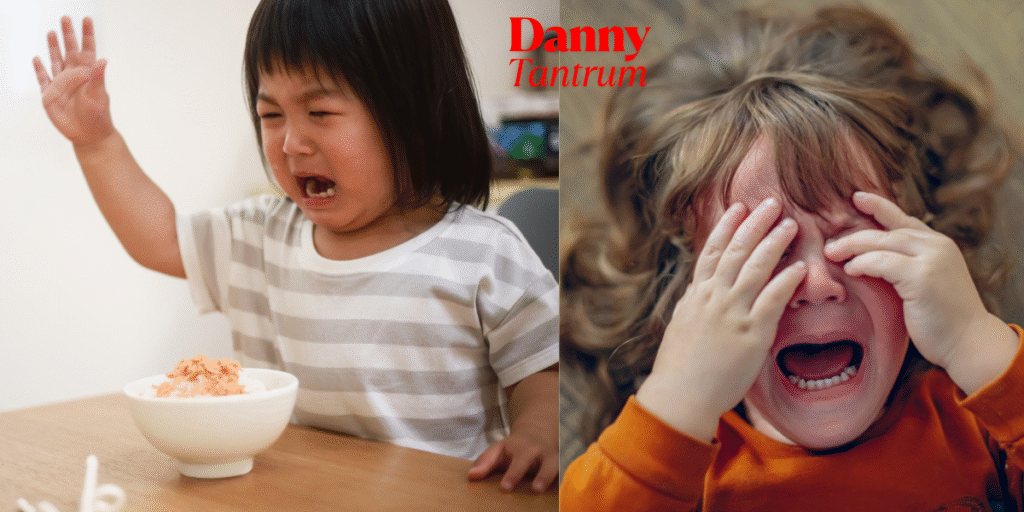
7 Positive Ways to Handle a Danny Tantrum Without Stress
Tantrums can feel like mini-storms in the middle of your day, but they don’t have to drain your energy or peace. By shifting the way you respond, you can turn those overwhelming moments into opportunities for growth—for both you and your child. Here are 7 positive ways to handle a Danny Tantrum without stress:
1. Stay Calm and Collected
Your child feeds off your emotions. If you remain calm, it helps them settle down faster. Think of yourself as the anchor in their storm.
2. Offer Comfort, Not Control
Sometimes, all a child needs is a reassuring hug or gentle words. Comfort shows them they’re safe, even when their feelings are out of control.
3. Acknowledge Their Feelings
Say things like, “I know you’re upset because you wanted that toy.” Validation helps children feel heard and reduces frustration.
4. Redirect Their Attention
Shift focus to a different activity or object. A simple change of environment, like stepping outside, can work wonders.

5. Teach Simple Calming Techniques
Show your child how to take deep breaths or count to five. Make it fun by pretending to blow up a balloon or smelling a flower.
6. Stay Consistent with Boundaries
If you said “no” to extra candy, don’t change your mind mid-tantrum. Consistency builds trust and teaches respect for limits.
7. Praise Positive Behavior Afterwards
Once your child calms down, acknowledge it: “I love how you used your calm voice.” Positive reinforcement encourages better coping skills in the future.
Why the Term Is Popular Among Parents
It’s relatable, catchy, and makes tantrum talk a little less heavy. After all, who hasn’t met a “Danny Tantrum” in their parenting journey?
Understanding Tantrums in Children
What Exactly Is a Tantrum?
A tantrum is a child’s way of expressing overwhelming emotions when words fail. It can range from crying and stomping to throwing toys across the room.
Emotional Outbursts vs. Behavioral Meltdowns
Emotional outbursts: Triggered by frustration or sadness.
Behavioral meltdowns: Often used to push boundaries.
Common Triggers of Tantrums
Hunger or fatigue
Overstimulation
Denied requests (like more candy or screen time)
Why Kids Like Danny Throw Tantrums
Developmental Reasons
Toddlers’ brains are still learning self-control. Tantrums are part of the growing-up process.
Emotional Overload
Too many feelings at once? Boom! The tantrum explodes.
Attention-Seeking Behavior
Sometimes kids discover that screaming equals attention—whether positive or negative.
The Psychology Behind a Tantrum
Brain Development and Emotions
The prefrontal cortex (self-control zone) is still under construction in young kids.
The Role of Frustration
When kids can’t communicate clearly, frustration fuels tantrums.
The Power Struggle Phase
Independence vs. parental authority often leads to explosive moments.
Types of Tantrums Kids Throw
The Silent Sulk: Quiet but stubborn.
The Screaming Storm: Loud and dramatic.
The Physical Explosion: Includes hitting, kicking, or throwing things.
Signs a Tantrum Is Coming
Verbal Cues: “No! I don’t want to!”
Body Language: Crossed arms, pouting lips, red face.
Strategies to Handle Danny Tantrum Moments
Stay Calm as a Parent
Your calm energy can defuse the storm.
Use Distraction Wisely
Shifting focus to a toy or activity often works wonders.
Set Clear Boundaries
Consistency teaches kids what’s acceptable.
Practice Positive Reinforcement
Praise calm behavior instead of focusing only on the negative.
What Not to Do During a Tantrum
Don’t yell—it escalates the chaos.
Don’t give in—kids will repeat the behavior.
Don’t bribe excessively—it sets a tricky precedent.
Teaching Kids to Manage Emotions
Name Feelings: Teach words like “angry” or “sad.”
Breathing Exercises: “Smell the flower, blow the candle.”
Role-Play: Practice calm reactions during playtime.
Real-Life “Danny Tantrum” Scenarios
At the Grocery Store: Candy aisle battles.
During Bedtime: Resistance to lights out.
Sharing Toys: Fierce “mine!” moments.
Long-Term Solutions for Parents
Stick to routines—predictability helps.
Encourage small choices to reduce power struggles.
Be consistent with rules.
When Tantrums Become a Concern
Tantrums lasting more than 15–20 minutes.
Aggressive behavior harming others.
Regression in developmental milestones.
Consult a pediatrician if tantrums seem extreme.
Fun Ways to Prevent Tantrums
Storytelling that teaches patience.
Fun games for self-regulation.
Calm-down corners with toys or books.
Parental Self-Care During Danny Tantrums
Take deep breaths—your calm is contagious.
Connect with support groups or parenting communities.
Remember: You’re not alone in this!
At what age do tantrums stop?
Tantrums usually peak between ages 2–3.
3-Year-Old Temper Tantrums
At age three year old tantrums are common as children seek independence but still struggle to express emotions clearly. Frustration, tiredness, or denied requests often trigger outbursts. Staying calm, setting consistent boundaries, and teaching simple coping skills can help parents guide their child through this challenging yet normal developmental stage.
Most children outgrow tantrums by age 4–5.
4-Year-Old Tantrums
At age 4, tantrums may continue as kids test limits and seek independence. These outbursts often stem from frustration, tiredness, or unmet desires. Consistency, patience, and teaching emotional regulation gradually reduce their frequency.
Consistent routines and guidance help reduce tantrum frequency.
What is the difference between a tantrum and meltdown?
A tantrum usually happens when a child wants control or attention and often stops if they get what they want. A meltdown, however, is triggered by overwhelming emotions or sensory overload and continues regardless of rewards or consequences, reflecting emotional overload rather than intentional behavior.
Conclusion
Tantrums are a natural part of childhood, even if they feel like daily battles. The phrase “Danny Tantrum” helps parents laugh a little while navigating meltdowns. By staying calm, setting boundaries, and teaching emotional skills, you can turn tantrum chaos into learning moments. Remember: tantrums don’t last forever—but the lessons learned from them do.
FAQs
1. What age do tantrums usually start?
Tantrums typically begin around 18 months and peak between ages 2 and 3.
2. Can tantrums be completely avoided?
Not entirely, but they can be reduced with consistency, routines, and clear communication.
3. Is it okay to ignore a tantrum?
Yes, if the child is safe. Sometimes ignoring prevents reinforcing negative behavior.
4. How can I calm my child in public during a tantrum?
Stay calm, move to a quieter space, and use distractions or soothing words.
5. When should I worry about my child’s tantrums?
If they’re frequent, violent, or last longer than 20 minutes, it’s best to seek professional advice.
1 thought on “7 Positive Ways to Handle a Danny Tantrum (Without Stress)”