
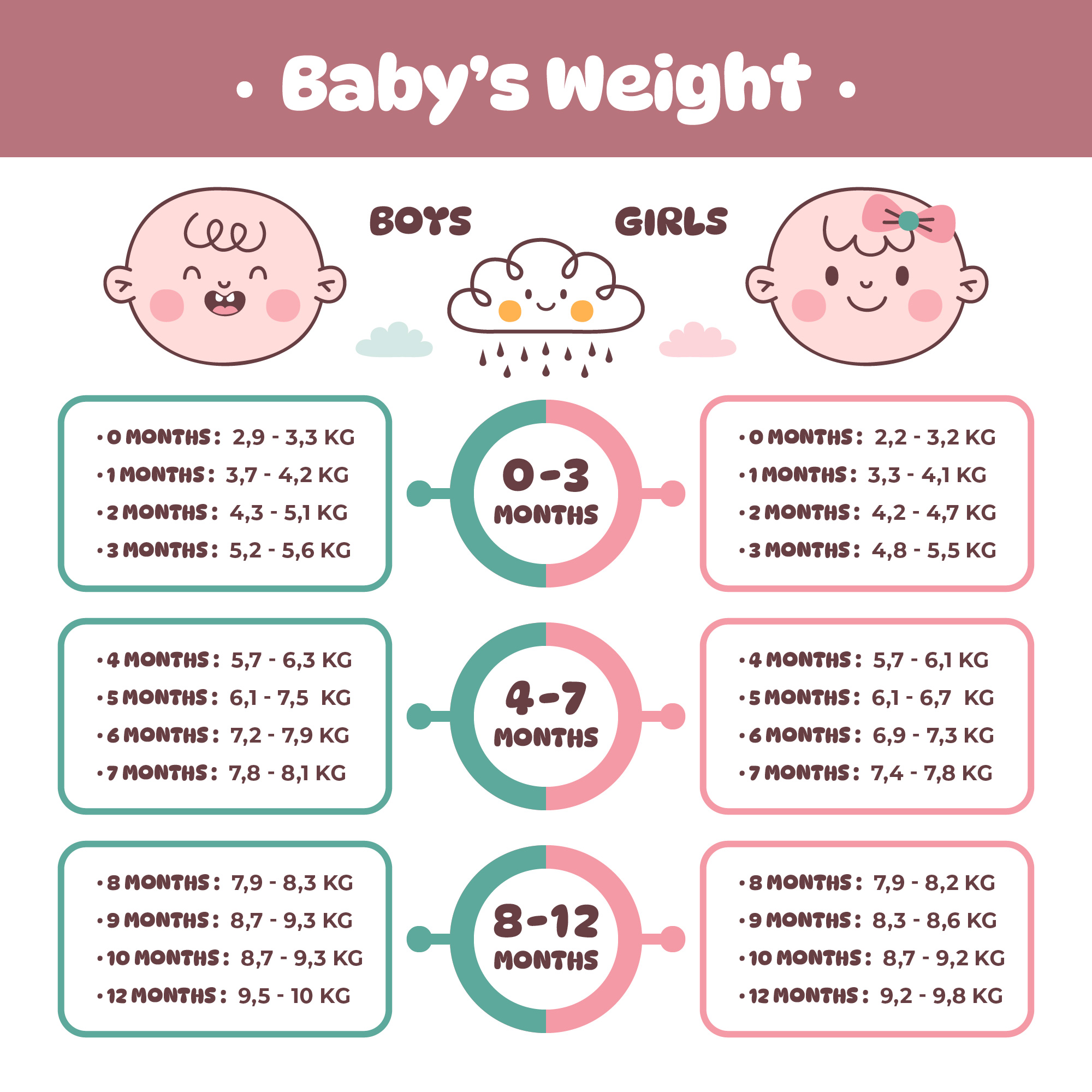
Every parent eagerly waits for their baby’s first smile, first roll, and those wobbly first steps. But for parents of premature babies, tracking milestones can feel a little more complicated. This is where a premature baby milestones chart comes in handy—it provides guidance, reassurance, and a realistic timeline tailored to your little one’s journey.
Table of Contents
What Are Premature Baby Milestones Chart ?
Definition of Developmental Milestones For Babies
Milestones are the skills and behaviors babies typically develop as they grow. These can be physical, social, emotional, or cognitive markers that indicate healthy development.

Why Milestones Matter
They help doctors and parents track whether a child is on the right path or needs additional support. Think of them as signposts on your baby’s growth journey.
Premature Babies vs. Full-Term Babies
Understanding Prematurity
If a baby arrives before completing 37 weeks of gestation, they are classified as premature. These babies often need more time to catch up with full-term peers.
Adjusted vs. Actual Age
When tracking premature baby milestones chart, parents use the corrected age (actual age minus the number of weeks early). For example, if your baby was born 8 weeks early and is 6 months old, their corrected age is 4 months.
Why a Milestone Chart Is Important for Premature Babies
Early Detection of Delays
Premature babies may develop skills later, but a chart helps doctors spot significant delays early.
Supporting Healthy Development
By comparing corrected age with expected skills, parents can provide the right support at the right time.
How to Use a premature baby milestones chart
Corrected Age Calculation
Always use corrected age until at least age 2 when tracking milestones.
When to Consult a Doctor
If your baby consistently misses milestones even with corrected age, consult your pediatrician.
Key Developmental Areas to Track
Motor Skills
Includes rolling, crawling, standing, and walking.
Social and Emotional Development
Smiles, eye contact, and bonding cues.
Communication and Language
Cooing, babbling, and first words.
Cognitive Skills
Problem-solving, memory, and attention span.
premature baby milestones chart by Age
9 week old Premature baby milestones Chart
A 9-week-old premature baby milestones chart begins showing more social smiles, makes cooing sounds, and enjoys eye contact. They start moving arms and legs with better control, may lift their head briefly during tummy time, and respond more actively to familiar voices.
10 week old Premature baby milestones Chart
Here are the common 10-week-old Premature baby milestones chart in simple terms:
Smiles more often, especially at familiar faces.
Starts cooing and making vowel-like sounds.
Follows moving objects with eyes.
Holds head up briefly during tummy time.
Moves arms and legs with greater coordination.
Enjoys being talked to and comforted by parents.
11 week old Premature baby milestones Chart
At 11 weeks, babies usually smile socially, make cooing sounds, and show excitement when seeing familiar faces. They can briefly hold their head steadier during tummy time, begin recognizing voices, follow objects with their eyes, and enjoy playful interaction.
2 Months Corrected Age
• Smiles responsively
• Follows faces with eyes

• Begins cooing
3 month Premature baby milestones Chart
Here are the common 3-month Premature baby milestones chart:
Smiles socially and responds to faces.
Begins cooing and making simple sounds.
Holds head up more steadily during tummy time.

Follows moving objects with eyes.
Opens and closes hands, begins grasping.
Kicks and moves legs actively.
Shows interest in people and enjoys interaction.
4 Months Corrected Age
• Holds head steady
• Pushes up on elbows
• Laughs and smiles often
6 Months Corrected Age
• Rolls both ways
• Reaches for objects
• Responds to name
9 Months Corrected Age
• Sits without support
• Crawls or scoots
• Uses simple gestures
12 Months Corrected Age
• Pulls to stand
• Takes first steps with support
• Says first words
18 Months Corrected Age
• Walks independently
• Points to body parts
• Uses several words
24 Months Corrected Age
• Runs and climbs
• Forms short sentences
• Plays simple pretend games

Common Challenges with Premature Baby Development
Feeding Issues
Preemies may take longer to coordinate sucking and swallowing.
Growth Delays
They might be smaller in size compared to full-term babies, even if they’re developing well.
Respiratory Health and Milestones
Breathing difficulties can sometimes delay physical development.
How Parents Can Support Development at Home
Tummy Time
Encourages muscle strength and motor skills.
Reading and Talking to Your Baby
Supports language and bonding.
Encouraging Play and Interaction
Helps cognitive and social skills thrive.
When to Seek Professional Help
Red Flags to Look Out For
• No social smile by 3 months corrected
• Not rolling by 6 months corrected
• No words by 18 months corrected
Role of Pediatricians and Therapists
Occupational, speech, and physical therapists can provide targeted support if delays are detected.
Tools and Resources for Tracking Milestones
Baby Journals and Apps
Apps can send reminders and give milestone checklists.
Printable Milestone Checklists
Parents can use checklists from trusted sources like the CDC or pediatric associations.
Emotional Journey of Parents with Preemies
Coping with Stress and Anxiety
It’s natural to feel worried—support groups and counseling can help.
Celebrating Small Victories
Every smile, every step, every word is worth celebrating twice as much with a preemie.
How Premature Baby Milestones Differ from Full-Term Babies
A full-term baby may start crawling at 7 months, but a premature baby might begin closer to 9 months corrected age. This doesn’t mean your baby is “behind”—it simply means they’re following their unique timeline.
Example: If your baby was born 2 months early and is 10 months old, you should expect them to act like an 8-month-old. That small difference can reduce unnecessary worry.
Encouraging Development Through Play
Playtime isn’t just fun—it’s powerful learning. Here are a few parent-approved ideas:
• Peek-a-boo games – Boosts memory and social skills.
• Soft blocks – Encourages hand-eye coordination.
• Music and singing – Supports language development and rhythm recognition.
• Interactive mirrors – Helps babies recognize themselves and build awareness.
Think of play as the “classroom” where your preemie learns the basics of life.
Nutrition’s Role in Developmental Milestones
Premature babies often need more calories and nutrients to catch up with growth. Breast milk or fortified formula supports brain development, while iron and vitamin D supplements may be recommended.
Tip: Keep track of your baby’s weight, head circumference, and height along with milestones. Growth charts for preemies give a fuller picture of progress.
The Role of Early Intervention Programs
Many countries offer early intervention services for premature babies. These programs provide:
• Speech therapy for communication delays
• Physical therapy for motor skills
• Occupational therapy for everyday activities
The earlier support begins, the better the outcomes. Parents should never hesitate to ask about available services.
Success Stories: Premature Babies Thriving
Hearing from other parents can be comforting. Many preemies who struggled at first go on to hit every milestone and thrive in school, sports, and social life.
For example, one mom reported that her 28-week preemie walked at 16 months corrected age—later than average, but perfectly healthy and active now at age 5.
These real-life examples remind parents that progress, not speed, is what counts.
How to Handle Delays Without Panic
Not all delays mean a problem. Some babies:
• Skip crawling and go straight to walking
• Talk later but catch up quickly
• Show advanced skills in one area but slower progress in another
Instead of panicking, parents should observe, record, and discuss with healthcare providers.
The Emotional Side of Tracking Milestones
Parents of preemies often feel anxious about whether their child is “behind.” Remember:
• Comparison steals joy – Focus on your child’s progress, not others.
• Celebrate small wins – That first smile after weeks in the NICU is priceless.
• Lean on support networks – Join online preemie groups or local parenting circles.
Raising a premature baby is like running a marathon—it’s not about speed, it’s about endurance and celebrating each step forward.
FAQs
1. How long should I use corrected age when tracking premature baby milestones?
Until about 2 years old, after which most preemies catch up
2. Do all premature babies face delays in milestones?
Not always—many develop on time or even faster in some areas.
3. Can I use the same milestone chart for twins if one is premature?
Yes, but always calculate corrected age separately for the premature twin.
4. Should I worry if my preemie isn’t crawling by 9 months corrected age?
Not immediately—some babies skip crawling and move straight to walking. Discuss with your pediatrician.
5. What’s the best way to record milestones?
Use a baby milestone journal, mobile app, or printable checklist to stay consistent.
Practical Tips for Using a Milestone Chart Effectively
Many parents print out a milestone chart and stick it on the fridge, but that’s just the start. To make the most of it:
• Track regularly – Don’t just check once in a while. Take notes monthly or at pediatric visits.
• Use videos and photos – Record short clips of your baby’s new achievements. These become memories and help doctors assess progress if needed.
• Stay positive – Milestones are guidelines, not deadlines. Some babies need more time, especially preemies.
Conclusion
Tracking a premature baby’s development isn’t about comparing with others—it’s about celebrating progress, no matter how small. By using a infant milestones chart , you can ensure your little one gets the support they need while enjoying every step of their journey. Remember, preemies may be born early, but their strength and resilience are truly extraordinary.