
Introduction to Happy Eaters
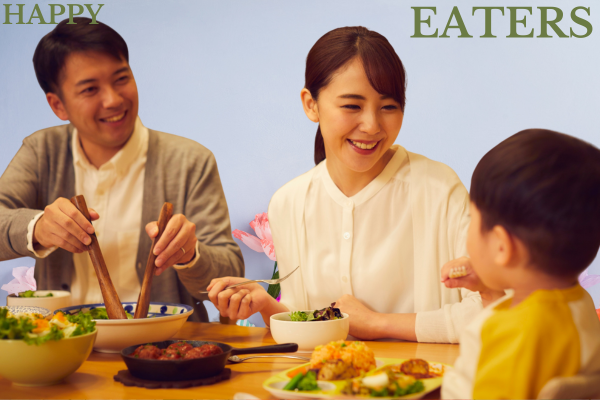
Have you ever noticed how some people eat with genuine joy, savoring every bite, while others see food as a chore or even an enemy? That’s the difference between being a happy eater and not. Happy eaters don’t just eat to fill their stomachs—they eat to nourish their bodies, connect with others, and celebrate life.
Table of Contents
In today’s fast-paced world, learning how to become a happy eater is essential not only for health but also for overall well-being. Let’s dive deep into how you can raise happy eaters in your family—or become one yourself.
The Psychology of Eating Happiness
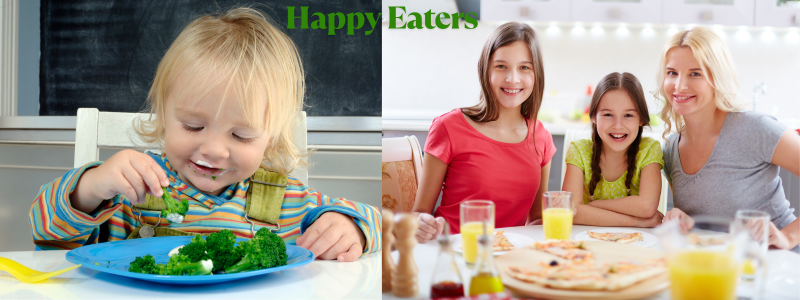
Food is never just food—it’s emotions, memories, and habits wrapped on a plate. When you eat your grandmother’s homemade soup, you’re not only tasting broth and spices; you’re tasting love, care, and warmth.
Happy eaters focus on positive experiences rather than guilt or restrictions. Instead of thinking “I shouldn’t have this,” they think, “I’ll enjoy this and balance it later.” That simple shift in mindset changes the way food makes us feel.
Building Healthy Eating Habits Early
Children learn by watching. If you smile while eating vegetables, they’re more likely to try them too. Parents play a huge role in raising little happy eaters.
Some simple tips include:
• Make meals colorful with fruits and veggies.
• Let kids help in the kitchen—it makes them curious and open to trying.
• Create fun mealtime rituals, like “food stories” or themed dinner nights.
When kids associate food with fun instead of pressure, they naturally develop a healthier relationship with eating.
Nutrition and Joy – Finding the Balance
Many people often get stuck choosing between eating for health or eating for taste vs. tasty eating.” But why not both? A happy eater knows balance is key.
Yes, salads are great, but so is a slice of pizza now and then. Portion control, variety, and moderation allow you to enjoy both kale and cake without guilt. Think of it as having a dance between nutrition and indulgence.
Mindful Eating Practices
Mindful eating is one of the core habits of happy eaters. It’s about paying attention—savoring each bite, listening to hunger and fullness signals, and eating with gratitude.

A simple practice? Before eating, pause and ask yourself, “Am I truly hungry, or just bored?” Asking yourself this simple question can gradually reshape the way you eat.
Creating Positive Mealtime Environments
Meals should never feel like a battleground. Turn off the TV, put away phones, and make mealtime about connection. Families that eat together laugh more, bond better, and raise happier eaters.
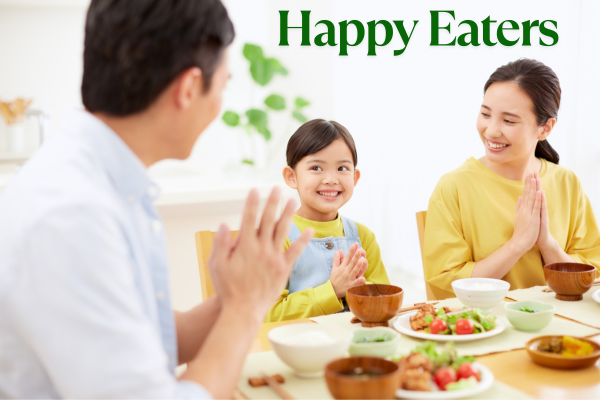
Adding gratitude—like saying “thank you” for the meal—creates a warm, positive atmosphere that makes eating more enjoyable.
Overcoming Picky Eating
Some people are naturally hesitant about new foods, but that doesn’t mean they can’t become happy eaters. Gentle encouragement works far better than force.
Try introducing new foods slowly, pairing them with favorites, or making them fun (like smiley-faced sandwiches). The goal is curiosity, not pressure.
Cultural Influence on Happy Eaters
Food isn’t just fuel; it’s culture. Festivals, family gatherings, and traditions teach us to celebrate meals together.
Whether it’s Italian pasta nights, Indian thalis, or Mexican tacos, exploring diverse cuisines helps develop appreciation and joy in eating.
Happy Eaters and Weight Management
Here’s the truth: diets often fail because they focus on restriction. Happy eaters don’t “diet”—they make sustainable choices.
Instead of cutting out chocolate forever, they learn to enjoy it in moderation. This is called “food freedom,” and it helps people manage weight without sacrificing joy.
Food and Mental Well-being
What you eat directly impacts how you feel. Omega-3s boost brain health, magnesium calms stress, and vitamins lift mood.
At the same time, comfort foods have their place too. Sometimes, a warm bowl of noodles on a rainy day is exactly what your soul needs. Happy eaters know how to balance both.
The Role of Food Presentation
We eat with our eyes first. A colorful plate makes food feel exciting. That’s why restaurants spend so much time on plating.
For kids, turning veggies into shapes or using bright bowls can make a huge difference. Even adults enjoy food more when it looks inviting.
Happy Eating on a Budget
You don’t need fancy meals to be a happy eater. With smart planning, you can eat joyfully without breaking the bank.
Some tips include:
• Buy seasonal produce—it’s cheaper and fresher.
• Cook big batches at home and freeze extras.
• Replace expensive snacks with wholesome homemade options.
Technology and Happy Eating
Thanks to technology, eating well and happily has never been easier. Recipe apps, meal planners, and grocery delivery services make it simple to eat better. Even virtual cooking classes can bring excitement and joy into mealtimes. Just be cautious—social media can sometimes create unrealistic expectations about food.
Practical Tips to Become a Happy Eater
Here are a few simple habits you can start today:
• Eat slowly and chew thoroughly.
• Avoid multitasking while eating.
• Celebrate little joys like a fresh fruit smoothie or warm bread.
• Don’t label foods as “good” or “bad”—focus on balance.
Happy Eating and Social Connections
Food is more than fuel—it’s a way to connect with people. Think about it: most celebrations, from birthdays to weddings, revolve around meals. Even a simple cup of coffee with a friend builds stronger bonds.
Happy eaters embrace food as a social experience. They know meals are opportunities for laughter, storytelling, and creating lasting memories. Instead of rushing through a solo dinner with a phone in hand, they invite friends, family, or even colleagues to share the moment.
Pro tip: Plan a weekly “family meal” or “friend dinner.” It doesn’t have to be fancy—just a shared table can spark joy.
Breaking the Cycle of Stress Eating
Many people struggle with stress eating. When deadlines pile up or emotions run high, reaching for a bag of chips feels comforting. But here’s the catch—this relief is temporary.
Happy eaters recognize this pattern and build healthier coping strategies. Instead of food, they might go for a short walk, journal, or sip herbal tea. When they do eat comfort foods, it’s intentional and guilt-free, not a knee-jerk reaction to stress.
A simple trick? Before eating under stress, pause and ask: “Is this food solving my problem, or just distracting me?” That awareness can shift habits over time.
Teaching Kids to Enjoy Healthy Foods
Parents often complain that their kids only want fries or candy. But here’s the secret—kids can love healthy foods if they’re introduced the right way.
• Make it interactive: Let kids pick a vegetable at the store and help cook it.
• Tell a story: “This carrot gives you superhero eyesight.”
• Be patient: Studies show kids may need to see a new food 10–15 times before accepting it.
Happy eating isn’t about forcing kids—it’s about inspiring curiosity and building trust around meals.
Travel and Happy Eating
One of the best ways to become a happy eater is through travel. Exploring local cuisines opens your taste buds to new flavors, textures, and traditions.
Whether it’s savoring sushi in Japan, enjoying tacos in Mexico, or tasting fresh pasta in Italy, travel reminds us that food is an adventure. Even if you can’t travel far, trying new cuisines at home or in local restaurants adds variety and joy.
The Role of Gratitude in Eating
Gratitude transforms meals. When you take a moment to appreciate the effort behind your plate—the farmer, the cook, even your own hands preparing it—you naturally slow down and savor more.
Happy eaters often practice small gratitude rituals, such as saying “thank you” before eating or simply taking a deep breath to acknowledge the food. This simple practice boosts joy and mindfulness at the table.
Breaking Myths About Happy Eating
Let’s bust some common myths:
• Myth 1: Happy eaters eat junk all the time.
Reality: They balance indulgence with nutrition.
• Myth 2: Happy eating means overeating.
Reality: It means enjoying food without guilt, not stuffing yourself.
• Myth 3: You can’t be a happy eater and stay fit.
Reality: Many fit, healthy people are happy eaters—they just eat smart and mindfully.
How Food Impacts Productivity
Happy eaters know that food doesn’t just fuel the body—it fuels the mind. Ever notice how a heavy lunch makes you sluggish? Or how a light, balanced meal keeps you sharp?
Certain foods like whole grains, nuts, and leafy greens boost energy and focus, while sugary snacks often lead to energy crashes. By choosing wisely, happy eaters keep both mood and productivity high.
Happy Eating and Sustainability
Another side of happy eating is caring for the planet. When you choose seasonal produce, support local farmers, or reduce food waste, you’re not just feeding yourself—you’re feeding the Earth.
Happy eaters often enjoy the process of buying fresh, eco-friendly food, knowing their choices create positive impact beyond the plate.
Celebrating Small Food Joys
Being a happy eater doesn’t require gourmet meals every day. Sometimes joy lies in small things—a perfectly brewed cup of coffee, a crunchy apple, or warm toast with butter.
Happy eaters learn to pause and appreciate these everyday delights. Think of it like collecting “food happiness moments” that add up to a more joyful life.
Practical Happy Eating Hacks
Want to become a happy eater starting today? Here are some quick hacks:
• Use smaller plates to enjoy portions without overeating.
• Try the “half-plate rule”: fill half your plate with veggies, then add protein and carbs.
• Drink water before meals—it boosts digestion and prevents overeating.
• Experiment with herbs and spices—they add flavor without extra calories.
Conclusion
Being a happy eater isn’t about chasing perfection—it’s about embracing joy, balance, and mindfulness in eating. Whether you’re raising kids, managing your own health, or just looking to enjoy food more, the principles of happy eating can transform your relationship with meals forever.
So next time you sit down with a plate, remember: food is more than nutrition—it’s connection, comfort, and celebration. Eat happily, live happily!
FAQs
1. What does it mean to be a happy eater?
A happy eater is someone who enjoys food with balance, mindfulness, and without guilt.
2. How can parents raise happy eaters?
By making meals fun, encouraging variety, and modeling a positive attitude toward food.
3. Can you enjoy food and still stay healthy?
Absolutely! The key is moderation, portion control, and choosing a variety of foods.
4. What are simple habits to practice mindful eating?
Slowing down, eating without distractions, and listening to hunger cues are great starting points.
5. Is being a “happy eater” the same as overeating?
Not at all. Happy eating means enjoying food while respecting your body’s needs—not overindulging.
1 thought on “Happy Eaters: A Complete Guide to Raising and Becoming Joyful, Healthy Food Lovers”