
Introduction
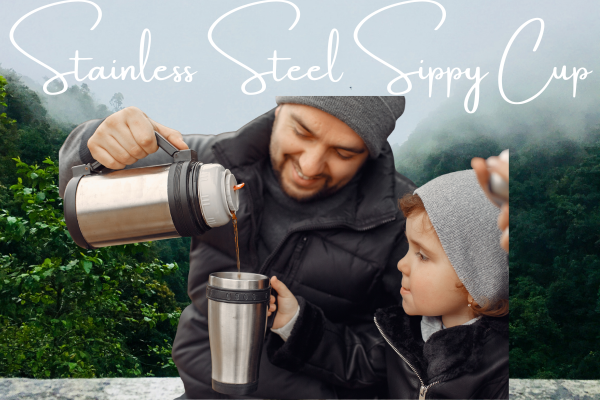
If you’re a parent, you already know that choosing the right gear for your little one is no small task. Whether it’s bottles, pacifiers, tiny spoons, or sippy cups, each decision plays an important role. And when it comes to sippy cups, stainless steel has quickly risen in popularity. Why? Because parents today want something safe, durable, and eco-friendly for their children.
Table of Contents
Think about it—plastic cups crack, leak, and sometimes even smell weird after a while. Glass cups are safe but break at the first drop. Stainless steel, on the other hand, combines the best of both worlds: safe for kids and tough enough to handle their adventurous spirit.
In this guide, we’ll explore everything you need to know about stainless steel sippy cups—from benefits and safety to cleaning, costs, and even the best brands worth buying.
What Is a Stainless Steel Sippy Cup?
A stainless steel sippy cup is exactly what it sounds like—a spill-proof or leak-proof drinking cup designed for babies and toddlers, but instead of being made from plastic, it’s made with food-grade stainless steel (often 304/18-8 steel).
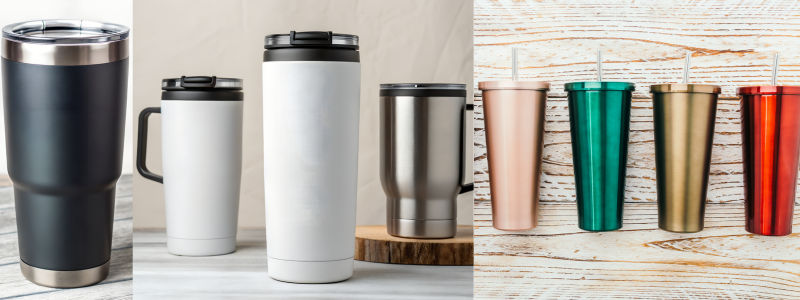
Unlike regular cups, these are designed for little hands, often with spouts, straws, or handles. Certain models include insulation that helps maintain milk or water at an ideal temperature.
It’s basically the “training wheels” for drinking—helping kids shift from bottles to regular cups safely and independently.
Benefits of Stainless Steel Sippy Cups
Durability and Longevity
Parents often pick stainless steel because of its unmatched durability. Kids drop cups off high chairs, throw them out of strollers, and occasionally use them as drums. While a plastic cup can easily break, stainless steel holds up without a problem It survives almost anything.
Safe and Non-Toxic Material
Safety is every parent’s first concern. Plastic can sometimes leach harmful chemicals like BPA, BPS, and phthalates, especially when exposed to heat. Stainless steel avoids all of that—it’s naturally chemical-free and food-safe.
Temperature Control
Insulated stainless steel sippy cups act like mini-thermos bottles. If you put cold water inside, it stays cold for hours, which is a lifesaver during summer outings. Similarly, warm milk stays warm longer.
Eco-Friendly Choice
With climate change and plastic pollution on the rise, switching to stainless steel helps reduce waste. A single stainless steel cup can serve for years, whereas plastic ones often need replacement within months.
Cost-Effective in the Long Run
Yes, stainless steel cups cost more upfront. But here’s the catch: you won’t be replacing them every time your child drops one. Over a year or two, the savings add up.
Comparing Stainless Steel with Other Materials
Stainless Steel vs Plastic
Plastic cups are cheap, lightweight, and widely available. But they scratch easily, trap odors, and may not be the safest long-term option. Stainless steel is safer and much more durable.
Stainless Steel vs Glass
Glass is non-toxic and doesn’t alter taste, but it’s fragile. Imagine your toddler tossing it—glass just doesn’t stand a chance. Stainless steel, however, is shatter-proof.
Stainless Steel vs Silicone
Silicone cups are soft and easy on little hands, perfect for young toddlers, though they may wear out or tear as time goes by. Stainless steel provides structure and durability that silicone lacks.
Key Features to Look for in a Stainless Steel Sippy Cup
Spill-Proof Design
Nobody likes mopping up milk spills every hour. Choose a sippy cup that has a proven spill-resistant lid. Some brands use valves, flip-top lids, or straws designed to prevent messes.
Insulated or Non-Insulated
If your child drinks mostly at home, non-insulated works fine. But for long trips, insulated versions are worth the investment.
Handle vs No Handle
Handles are perfect for babies just starting out—they make gripping easier. Older toddlers, however, may prefer sleek, handle-free cups that feel more like “big kid” cups.
Ease of Cleaning
Choose a cup that doesn’t require you to dismantle five different parts. Fewer parts mean easier cleaning and less chance of mold growth.
Size and Age Appropriateness
A six-month-old doesn’t need a giant 12oz cup. Start small (5–7oz), then move up as your child grows.
Are Stainless Steel Sippy Cups Safe for Babies?
Yes, they’re incredibly safe when made with high-quality, food-grade stainless steel. Many pediatricians recommend stainless steel as a safer option compared to plastic. Plus, most brands ensure the cups are BPA-free, phthalate-free, and lead-free.
How to Transition Your Child to a Stainless Steel Sippy Cup
Right Age to Introduce
Children are usually ready to try sippy cups somewhere around 6 to 9 months of age
Tips for a Smooth Transition
•Start with a soft spout cup if they’re used to bottles.
•Offer the cup during mealtimes.
•Show them how to sip (kids love copying adults!).
•Be patient—it may take a few tries.
Maintenance and Cleaning Tips
Keeping the cup clean is crucial. Here’s how to do it:
•For everyday cleaning, use warm soapy water along with a bottle brush.
•Deep Cleaning: Once a week, soak the cup in a baking soda or vinegar solution to remove odors.
•Avoid: Harsh scrubbers that scratch the steel.
•Pro tip: Always check the spout and valves—they’re often where milk residue hides.
Common Myths About Stainless Steel Sippy Cups
•They give a metallic taste.” Not true. Good quality stainless steel doesn’t change the taste of drinks.
•They’re too heavy for toddlers.” Modern designs are lightweight enough for little hands.
•They rust easily.” Only cheap, low-quality ones rust. Premium cups last for years without rusting.
Best Brands of Stainless Steel Sippy Cups
Some trusted names include:
•Pura Kiki – A modular system where you can swap spouts, straws, or lids.
•Munchkin – Affordable, practical, and easy to find.
•Thermos Foogo – Known for excellent insulation.
•Klean Kanteen – Eco-conscious and long-lasting.
•Green Sprouts – Built with a focus on protecting your child’s health and safety.
Cost Considerations
Expect to spend anywhere between $15 to $30 per cup. Yes, pricier than plastic, but when you consider that one cup can last years, it’s worth every penny.
Type Of Sippy Cup
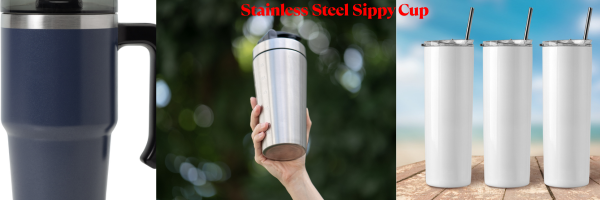
stainless steel sippy cup with straw
A stainless steel sippy cup with a straw combines durability and safety for toddlers Its spill proof Design, easy to grip handles,and insulated body keep drinks fresh while supporting independent sipping, making it perfect for home or on the go use.
nuby stainless steel sippy cup
The Nuby stainless steel sippy cup offers a durable, safe, and eco-friendly drinking solution for toddlers. Designed to prevent spills and shaped for little hands, this cup is perfect for daily use and hassle-free sipping.
mickey mouse stainless steel tumbler
The Mickey Mouse stainless steel tumbler combines fun and functionality. Durable, spill-resistant, and easy to carry, it keeps drinks at the perfect temperature while delighting kids with its iconic design.
pura stainless steel bottle
The Pura stainless steel bottle offers a safe, eco-friendly hydration solution. Durable and leak-proof, it keeps beverages fresh and is ideal for babies, toddlers, and on-the-go use.”
Pros and Cons at a Glance
Pros of Stainless steel toddler cup
• Super durable
• Safe, non-toxic
• Temperature control
• Eco-friendly
Cons
• Higher upfront cost
• Slightly heavier than plastic.
Conclusion
Stainless steel sippy cups are more than just a parenting trend—they’re a practical, long-lasting investment for your child’s health and your peace of mind. While plastic may seem convenient and cheap, stainless steel cups give you the perfect balance of safety, durability, and eco-friendliness.
If you’re ready to say goodbye to endless spills, broken cups, and worries about chemicals, stainless steel sippy cups are the way to go.
FAQs
1. Can stainless steel sippy cups go in the dishwasher?
Yes, most are dishwasher-safe. Just double-check the instructions.
2. Do they keep drinks hot or cold?
Insulated models do. Non-insulated ones won’t.
3. At what age should a child start transitioning away from a sippy cup?
Usually around 2–3 years old, when they can manage open cups.
4. Are stainless steel cups too heavy for toddlers?
Not really. Modern cups are lightweight and toddler-friendly.
5. How many sippy cups should parents buy?
Two or three should be enough—one for home, one for outings, and one backup.
6 . Why Choose a Stainless Steel Sippy Cup with handles Over Plastic or Glass?
Stainless steel sippy cup with handles offer several advantages:
Safety: They are free from harmful chemicals like BPA, phthalates, and microplastics, which are often found in plastic alternatives.
Durability: Unlike glass, stainless sippy is shatterproof, making it ideal for toddlers prone to dropping things.
Temperature Control: Many stainless steel insulated food container , keeping beverages at the desired temperature longer.
Eco-Friendly: They are reusable and recyclable, reducing environmental impact compared to disposable or less durable options.
7. Are Stainless Steel Sippy Cups Safe for Babies?
Yes, when made from high-quality, food-grade stainless steel (such as 304 or 316), these cups are safe for infants and toddlers. They prevent chemical transfer into drinks and resist both corrosion and staining. However, it’s advisable to avoid using them with acidic drinks like citrus juices, as acidity can potentially interact with metals over time.
8. How Do I Properly Clean a stainless steel straw sippy cup ?
To maintain hygiene and longevity:
Everyday Cleaning: Use warm water and gentle dish soap, scrubbing with a soft sponge or bottle brush.
Deep Cleaning: For stubborn residues or odors, soak the cup in a solution of vinegar and water or use baking soda paste.
Skip Strong Chemicals: Refrain from using bleach or rough scrubbing agents that might harm the stainless steel finish.
Dishwasher Compatibility: Verify whether the steel sipper cup is safe to clean in a dishwasher. If so, place it on the top rack to prevent potential damage.
9. Can stainless steel infant bottles Sippy Cups Be Used for Both Hot and Cold Beverages?
Many stainless steel infant bottles are designed with double-wall insulation, making them suitable for both hot and cold drinks. This design helps maintain the beverage’s temperature for longer periods.. However, always ensure the beverage temperature is appropriate for your child to prevent burns or discomfort.
10. What Features Should I Look for When Choosing a Stainless Steel Sippy Cup?
Keep these features in mind when choosing the ideal cup for your child:
Spill-Proof Design: Look for cups with secure lids and valves to prevent leaks.
Ease of Cleaning: Cups with fewer parts and wide openings are easier to clean.
Child-Friendly Handles: Specially shaped handles make it easier for little hands to drink on their own
Age Suitability: Make sure the cup’s size and spout design match your child’s stage of development.
Insulation: If you plan to use the cup for outings, an insulated design can be beneficial.
1 thought on “Stainless Steel Sippy Cup: The Ultimate Guide for Parents”